Indholdsfortegnelse
A diesel fire pump should be selected against a defined application and the evidence that application requires. Engine power, connection diameter and a photograph of water discharge are insufficient to establish suitability. The buyer needs an identifiable pump configuration, a consistent operating duty and a clear distinction between a portable pumping package and an engineered stationary fire-protection system.
This guide is for procurement teams preparing a technical inquiry. It explains how to organize the duty information and evaluate a diesel fire pump proposal with the responsible fire-protection professional. It does not provide an emergency operating plan, determine a building's fire demand or establish that a catalog product meets a particular installation requirement.
Define the diesel fire pump application first
State whether the inquiry concerns a portable emergency water-transfer package, an equipment component or a stationary fire-protection installation. Describe the water source and the intended receiving system. The diesel fire pump supplier should know which application is being evaluated before proposing a configuration or using a general capacity figure.
The responsible design professional establishes the required fire-protection demand and the applicable acceptance and approval conditions. Keep that approved requirement with the purchasing inquiry. A procurement team should not substitute a generic irrigation estimate or a convenient engine size for the actual demand that the diesel fire pump must address.
NFPA's fire pump basics overview is a useful starting point for understanding the role of pumps in water-based protection. It is background information, not evidence that a particular product is listed, approved or suitable for an installation. Ask for the application-specific documents required by the responsible professional and the relevant approving parties.
Request flow and pressure as one operating duty
Record the required flow and pressure or head together, with units and the point at which they are required. The diesel fire pump proposal should identify the available performance at that combined duty. Separate a maximum-flow figure from a shutoff or maximum-head figure, because they need not describe the same operating condition.
Obtain the performance curve for the exact pump, impeller or stage configuration and operating speed proposed. Confirm the basis of the curve and the test information supporting it. A curve for a similar pump or a different speed does not establish the quoted diesel fire pump duty.
Keep the system requirement distinct from the diesel fire pump offer. If the proposed model does not demonstrate the required condition, the supplier should explain the difference and the responsible professional should review the proposed resolution. Quietly reducing the requirement or combining values from different configurations creates an ambiguous purchase rather than a verified selection.
Identify the suction and source conditions
Describe the source, normal water-level range, inlet arrangement and connection route. Give the responsible professional and supplier enough information to evaluate the proposed installation. A diesel fire pump with a priming arrangement should not be assumed suitable for every suction-lift condition or every stationary-system design.
Record source-water quality, relevant debris or sediment and any variability that may affect the pumping arrangement. A water source visible in a demonstration may differ from the source available at the intended site. Keep these differences explicit instead of treating a successful open-water test as proof of the final diesel fire pump installation.
Request the applicable inlet requirements and approved priming procedure for the actual model. Clarify what equipment is included and which parts of the source and suction arrangement belong to the buyer or installer. Neither the word self-priming nor a stated connection size removes the need for application-specific review.
Confirm the engine and the complete drive package
Identify the engine model, starting arrangement and the continuous-duty information used in the proposal. The diesel fire pump quotation should distinguish the installed engine from optional alternatives. If a product family includes gasoline and diesel variants, confirm which one is actually included rather than relying on the family name.
Ask for the drive arrangement, operating speed, guarding and the instructions associated with the supplied components. A change in engine, pulley or coupling may affect the demonstrated configuration. Require an updated technical response when a relevant component is substituted before delivery.
Read starting and control information as part of the complete package. A photograph of a battery or control does not establish that it is included, and an electric-start description does not establish the entire readiness arrangement. The diesel fire pump supplier should identify the exact supplied components and the applicable service references.
Compare a portable package with the intended system scope
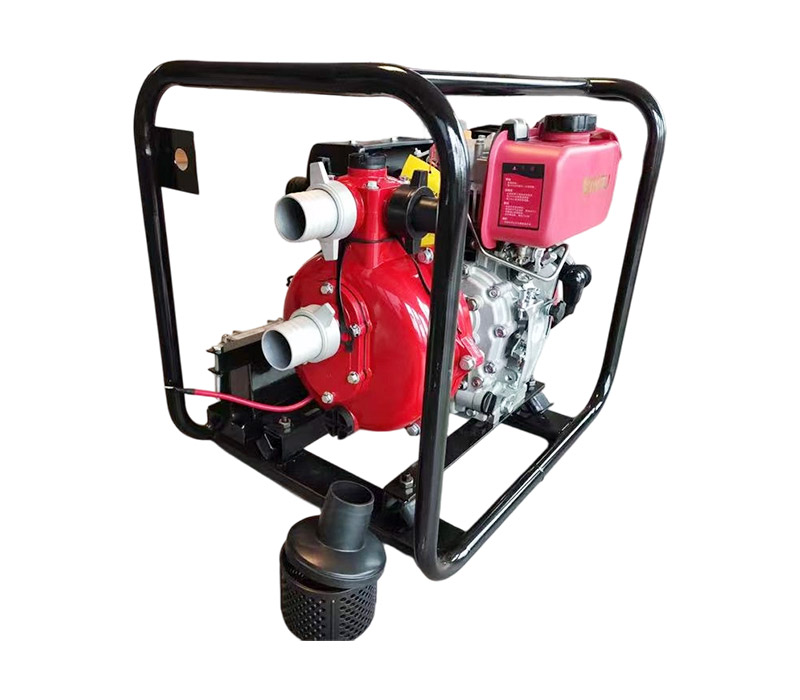
Jinyuan's fire-pump page describes portable centrifugal pumping arrangements with engine and starting alternatives. Such product information can support an inquiry about an exact package. It should not be interpreted as a complete engineered stationary fire-protection design or as proof of an unmentioned approval.
Keep portability, hydraulic duty and system suitability as separate questions. A diesel fire pump can be physically movable without having a handling arrangement suitable for a particular transport route. It can move water without having demonstrated the pressure-flow duty required by the intended system. Each question needs its own evidence.
Request the complete offered scope, including hoses, fittings, priming components, gauges, controls, documents and any separately supplied items. Ask which demonstration equipment belongs only to the test site. Comparing a bare diesel fire pump with a complete working package without listing those differences can conceal material purchasing gaps.
Use a duty and evidence comparison table
The following matrix helps organize a review with the supplier and responsible professional. It deliberately separates the technical requirement from the evidence supplied. An unanswered item remains open. It should not be converted into an assumed approval or favorable performance value merely to complete the comparison.
| Review item | Information needed | Evidence to retain |
|---|---|---|
| Application | Portable package or defined system role | Approved inquiry and responsibility boundaries |
| Required duty | Flow and head or pressure at the same point | Design requirement with units and measurement location |
| Hydraulic configuration | Model, speed and relevant pump arrangement | Matching curve and configuration-specific test basis |
| Drive package | Engine, starting arrangement, transmission and controls | Component identity and applicable instructions |
| Source conditions | Water level, inlet route and water description | Site information and reviewed connection arrangement |
| Acceptance and approvals | Requirements appropriate to the intended application | Relevant documents and the agreed acceptance report |
For illustration, imagine a requirement supplied by the responsible professional and two offers that answer it differently. Offer A provides a curve for the quoted model and identifies the diesel fire pump scope. Offer B provides only maximum flow and engine power. This example does not establish which machine is better. It shows why B has not yet supplied enough evidence for a diesel fire pump selection.
Ask B for the configuration-specific curve and the complete scope before comparing prices. If the response changes the model or engine, check the revised proposal as a whole. Do not retain the best individual values from several versions and describe them as one diesel fire pump performance result.
Agree the diesel fire pump acceptance method
Have the applicable acceptance method established before the order is released. Identify the diesel fire pump, configuration, required measurements, test conditions, instruments and report contents. For an engineered installation, the responsible professional and approving parties determine the relevant requirements; a generic purchasing checklist does not replace them.
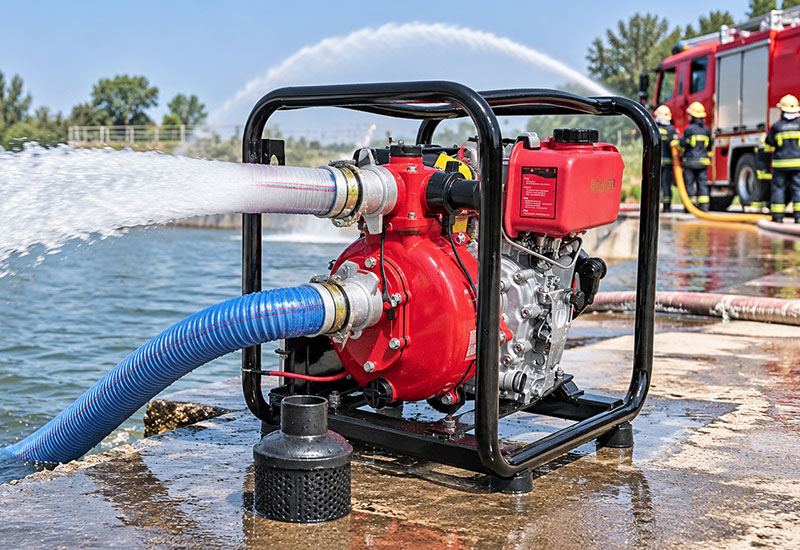
A useful equipment report makes the test boundary clear. Record the source and inlet arrangement, delivery route, pump speed and the simultaneous measured flow and pressure or head. Retain instrument and configuration references so the result can be interpreted later. A short discharge video can support the record but cannot establish every diesel fire pump requirement.
Separate receipt, equipment testing and final installation acceptance where they are different activities. Confirming that the correct package arrived does not establish that it meets the final operating duty. Likewise, a factory observation under one arrangement should not be represented as a complete site acceptance under another.
Keep readiness and service information traceable
Collect the exact engine, pump, drive, control and starting-component references at handover. Obtain the applicable instructions and service requirements. A diesel fire pump record should allow the responsible team to identify what was supplied, what was demonstrated and which activities require competent service.
Do not invent a universal inspection or test interval from a product-family description. The applicable system requirements, equipment instructions and responsible maintenance program determine the actual tasks. Record completed work, defects and approved changes separately so that a later readiness review can distinguish them.
Use the supplied isolation and pressure-release procedures for permitted service. Keep guards and protective components in place, and manage engine exhaust according to the approved installation and instructions. Any unexpected operating behavior or unresolved defect needs the appropriate competent review before the diesel fire pump is relied upon for its intended service.
Prepare a precise inquiry to Jinyuan
Send the application description, the professionally established duty, source conditions, desired package and destination. State which documents and acceptance evidence the purchasing team needs. Ask Jinyuan to identify the exact diesel fire pump configuration, its confirmed scope and any condition that remains unresolved.
Review Jinyuan's fire pump product information and water-pump range, then use the forespørgselsformular to share the requirement. Keep optional features and unconfirmed capabilities separate from the agreed supply. A clear proposal gives the buyer, supplier and responsible professional a consistent basis for evaluating the next step.
Gennemgå diesel fire pump product information og Vandpumper Og Vandingsudstyr rækkevidde, og send derefter ansøgnings- og beviskravene til et konfigurationsspecifikt forslag.
Ofte stillede spørgsmål
Can a diesel fire pump be selected by engine horsepower alone?
No. Selection requires the defined application, simultaneous flow and head or pressure, source conditions, exact configuration and the relevant acceptance evidence. Engine power is only part of the complete equipment proposal.
Does a portable diesel fire pump automatically suit a stationary installation?
No. Portability and suitability for an engineered installation are different questions. Have the responsible fire-protection professional review the proposed role, configuration, approvals and applicable installation requirements.
Do maximum flow and maximum head describe one duty point?
They need not. Request the actual curve for the quoted pump and speed, and identify the performance at the required combined duty. Do not assemble a promised result from unrelated maximum figures.
What should a diesel fire pump test report identify?
It should identify the unit and configuration, the test arrangement, instruments and simultaneous operating measurements required by the agreed method. Keep factory equipment observations distinct from any separate site or system acceptance.
What should Jinyuan receive before quoting a diesel fire pump?
Provide the intended application, professionally established duty, source and connection information, required package, destination and necessary evidence. Request an exact configuration with assumptions, exclusions and unconfirmed capabilities clearly marked.