Πίνακας Περιεχομένων
An electric feed pellet machine should be evaluated with the feed mixture and pellet specification the farm actually needs. A wide catalog output range describes available configurations, not one guaranteed production rate for every ingredient, die size and operating condition. The useful purchasing question is how much acceptable feed the proposed model can produce during a complete working shift.
This guide explains how to specify an electric feed pellet machine, organize a representative material trial and compare output with pellet quality and handling requirements. It addresses the electric feed pellet machine decision. Feed formulation and nutritional suitability should be established separately with appropriate expertise for the intended animals and production system.
Define the feed and pellet before choosing capacity
Describe the intended animals, feeding method and required pellet dimensions. Provide the approved ingredient formulation and identify the condition in which each ingredient reaches the electric feed pellet machine. An electric feed pellet machine cannot compensate for an unsuitable ration or inconsistent preparation simply by using a different die.
State the acceptable pellet characteristics, including dimensions, fines and handling behavior, using a test method agreed between buyer and supplier. The objective is a feed product that can move through the farm's storage and distribution process. An electric feed pellet machine demonstration that produces attractive pellets for a few minutes does not establish long-term nutritional performance or suitability for every species.
Document whether ingredients will arrive already ground and mixed. If preparation equipment is required, identify it explicitly in the purchase scope. A pellet press should not be assumed to include a grinder, mixer, conditioner or cooler. This distinction prevents a buyer from comparing a single machine with a complete feed-processing package.
Translate daily demand into a realistic machine duty
Calculate the feed mass needed during the planning period and the actual production hours available. Deduct preparation, changeover, cleaning and routine inspection time where these interrupt production. An electric feed pellet machine must meet the required accepted output within that practical operating window.
For example, producing 800 kilograms of accepted feed during four productive hours requires an average accepted rate of 200 kilograms per hour. If some output is rejected or reworked, the gross rate and ingredient input will differ. This is an illustrative planning calculation, not a capacity statement for a particular electric feed pellet machine.
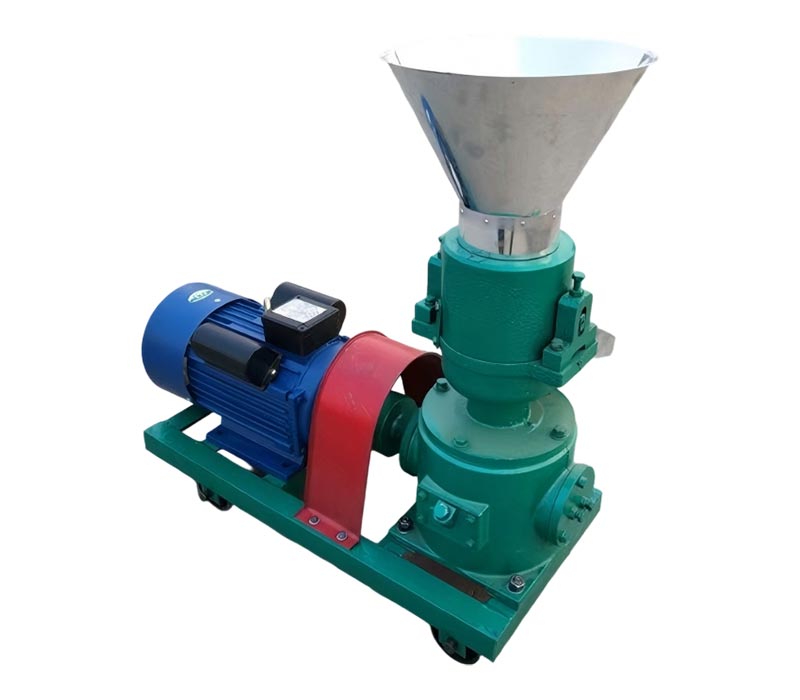
Jinyuan lists an electric pellet machine family with a broad output range, several motor powers, supply options and die diameters. Request the exact model, die and material conditions associated with the proposed rate. Do not combine the highest family-level output with the lowest motor power or assume all listed die sizes achieve the same throughput.
Check the electrical supply and installation
Record voltage, phase, frequency and available electrical capacity at the intended installation point. A nominal voltage alone does not define compatibility. An electric feed pellet machine needs a motor and starting arrangement appropriate to the receiving supply, with an installation reviewed by a qualified electrician.
Ask for the motor identification, protection arrangement, wiring information and connection requirements of the quoted configuration. Confirm whether any ancillary equipment needs a separate supply. If a supplier offers both single-phase and three-phase variants, obtain the performance information for the specific electric feed pellet machine variant rather than assuming that the options are interchangeable.
Plan access to the feed inlet, discharge, controls and service points. Include stable support, safe material handling and appropriate management of dust and housekeeping. Keep service space available around the electric feed pellet machine. An installation that saves floor area but makes cleaning or die removal difficult can create recurring production delays.
Prepare a representative material trial
Send the supplier a clearly identified sample of the actual approved mixture, with information about grinding, moisture and storage history. Agree on sample quantity and handling before dispatch. An electric feed pellet machine should be tested with representative material rather than a convenient substitute selected only because it pellets easily.
Record all processing conditions used during the trial, including the die specification, feed preparation and any conditioning or additives. A recipe or process change made during the test must be visible in the report. Otherwise the trial may demonstrate a different feed product from the one the buyer intends to make with the electric feed pellet machine.
FAO's feed-milling guidance describes how preparation, pelleting and cooling influence the resulting product. Its discussion of industrial processes is useful background, but it does not establish settings for this particular machine. Ask the supplier to explain which preparation and post-processing stages are required for the proposed feed and which are included in the offer.
Measure accepted output rather than collected mass alone
Separate startup material from stable production and record the measurement interval. Weigh the input and the collected fractions using an agreed procedure. An electric feed pellet machine report should distinguish saleable or usable pellets from fines, oversize material, rejected feed and material awaiting rework.
Keep the pellet-quality definition consistent throughout the trial. If a higher feeding rate produces more mass but unacceptable fines or unstable operation, it has not demonstrated the required accepted capacity. Record interruptions, blockages, manual intervention and changes to settings. These observations can be as important as the headline hourly output.
Include cooling and handling in the assessment where the intended process requires them. Do not bag warm or insufficiently conditioned feed merely to complete a demonstration quickly. Agree on appropriate temperature, moisture and storage checks for the actual product with the responsible feed specialist. A pellet press alone should not be presented as a validated feed-safety or sterilization system.
Compare dies and operating conditions fairly
Die dimensions and configuration affect resistance, pellet shape and the work the electric feed pellet machine must perform. Ask which die is supplied, which alternatives are available and what process changes are required for each. An electric feed pellet machine should be quoted with the exact die used to support the proposed production claim.
| Trial variable | Record in the report | Why the buyer needs it |
|---|---|---|
| Feed mixture | Ingredient identity and batch reference | Links results to the intended ration |
| Preparation | Grinding, mixing and conditioning details | Explains differences in feeding behavior |
| Die | Diameter and exact component identification | Makes the configuration reproducible |
| Stable run | Duration, settings and interruptions | Distinguishes a short demonstration from sustained output |
| Product fractions | Accepted pellets, fines and rejects | Defines usable capacity |
| Post-processing | Cooling and handling arrangement | Shows what is needed before storage |
Do not accept an electric feed pellet machine rate measured with a larger die as proof of performance with a smaller die. Likewise, a trial with a different formulation may not predict output for the buyer's mixture. Require the supplier to identify the scope of the demonstrated result and any conditions that still require another trial.
Find the bottleneck in the complete feed workflow
Map ingredient receipt, grinding, weighing, mixing, pelleting, cooling, screening and packaging where these stages are required. Measure how material moves between them. An electric feed pellet machine with excess rated capacity can still sit idle if mixing or cooling cannot keep pace.
Consider batch size and changeover frequency. A farm making several mixtures may spend substantial time clearing and identifying material between batches. Include cleaning and cross-contact controls appropriate to the operation. The electric feed pellet machine should fit the batch workflow rather than being selected only for the largest possible continuous run.
Plan how operators will identify each feed batch and record any reworked material. This supports traceability and makes production problems easier to investigate. Keep the electric feed pellet machine settings linked to the batch record when they affect quality. A consistent record also helps the supplier diagnose whether a later output change relates to the feed, die wear or operating method.
Prepare maintenance and spare parts
Request the electric feed pellet machine manual, lubrication requirements, die and roller references, adjustment procedure and safe isolation instructions. An electric feed pellet machine contains moving components that must not be accessed while it can start. Clearing a blockage or adjusting a component should follow the manufacturer's service procedure.
Record wear-part dimensions and identification at delivery. Ask what tools and lifting or handling provisions are required for replacement. Keep the actual supplied die and roller configuration in the parts record. Ordering a generic “pellet machine die” without model information can result in a component that does not fit or produces a different result.
Build maintenance around the manual's specified intervals and the conditions observed during the trial. Keep cleaning, lubrication, inspection and replacement records distinct. A gradual increase in fines or power demand may justify an investigation before a complete production stoppage occurs. Use recorded data rather than repeatedly changing several settings at once.
Request a configuration-specific proposal
Send Jinyuan the daily accepted-feed requirement, available production hours, approved mixture, preparation method, target pellet dimensions and electrical details. Ask for an electric feed pellet machine configuration with a representative material trial and a clear list of required upstream and downstream equipment.
Include the destination, preferred package scope and local service arrangements. Request the exact model, die identification, trial report, manuals and spare-parts proposal through the product page or έντυπο έρευνας. A specification tied to accepted output gives both parties a practical basis for comparing alternatives and agreeing the electric feed pellet machine scope.
Επανεξέταση του electric feed pellet machine product information and the Μηχανήματα Επεξεργασίας Ζωοτροφών range, then send the application details for a configuration-specific quotation.
Συχνές ερωτήσεις
Does an electric feed pellet machine output range apply to every feed mixture?
No. Output depends on the model, die, ingredient preparation and process conditions. Ask for a trial using representative material and define capacity as accepted pellets produced during an agreed stable operating period.
Does an electric feed pellet machine include grinding and cooling equipment?
Not automatically. Clarify each required process stage and whether it is included in the package. A pellet press quotation should identify preparation and post-processing requirements that the buyer must provide separately.
Can one electric feed pellet machine use several die sizes?
Some configurations offer alternative dies, but compatibility and operating conditions need confirmation. Request exact die references and performance evidence for the pellet size you intend to produce.
What should be weighed during a trial?
Record ingredient input and separate accepted pellets, fines, rejects and rework over the same measured interval. Include interruptions and quality checks so that gross mass is not mistaken for usable production capacity.
What helps Jinyuan quote a suitable electric feed pellet machine?
Provide accepted daily output, working hours, approved mixture, preparation details, pellet dimensions, power supply and destination. Request a configuration-specific trial, complete process scope, manuals and identifiable service parts.